Blog / Car Tips

How Do Electric Cars Work? (Explained)

2023 Lexus RZ 450e

There's no denying now that electric cars are the way of the future. Manufacturers across the industry are introducing new electric cars, SUVs, and trucks, like the Lexus RZ. Not only are companies introducing electric vehicles, but many, including Lexus, are also planning to convert to solely electric sales by the middle of the century. With all the new information and specs surrounding electric vehicles, you may have questions about maintenance, charge times, and batteries. Here's everything you need to know about how electric cars work.

Different Types of Electric Cars
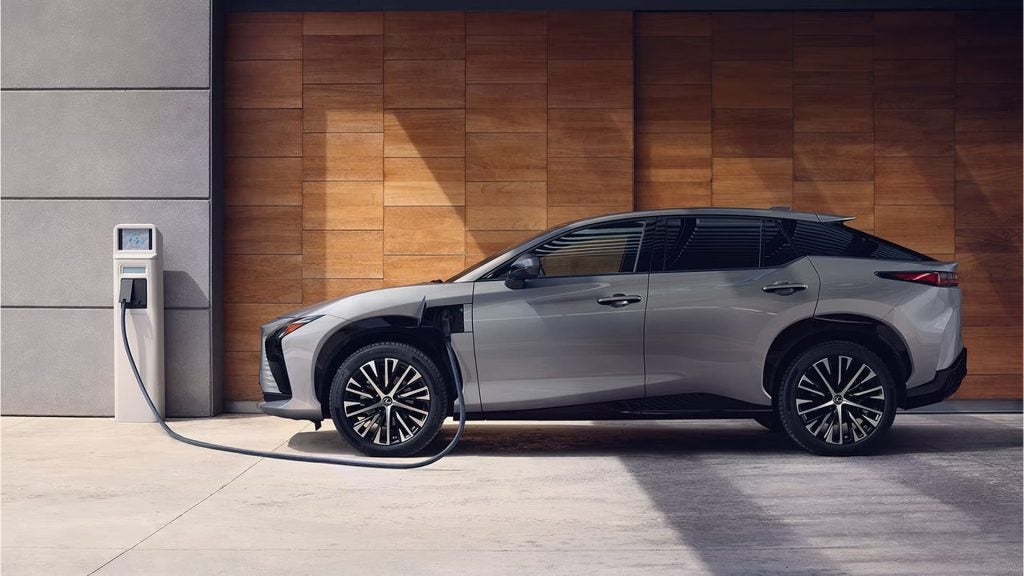
2023 Lexus RZ 450e
2023 Lexus RZ 450e

The first thing to understand about electric vehicles is that they're not all made the same. How they function has a lot to do with which kind of electric vehicle it is. The first kind of electric vehicle is a standard hybrid, which uses a self-charging electric power train to produce electric energy and make the engine more efficient. This kind of power train can also boost the torque within the engine, all without ever being plugged in. What this often means is the engine uses regenerative energy from braking to recharge the electric component within the engine.

A second kind of hybrid is the plug-in hybrid, which uses the same self-charging technology, but couples it with the benefits of plugging your vehicle in for a proper charge. Plug-in hybrids take advantage of electric energy during shorter trips, allowing you to extend the life of the fuel in your engine, but they also provide peace of mind for longer road trips, when you may not be able to find somewhere to charge your vehicle.

The last type of electric vehicle is battery-electric, or fully electric. These vehicles don't have any capacity for using gasoline and rely solely on the electrical energy within the battery to power the car. A fully electric vehicle can be the most efficient when it comes to energy costs, as you can simply set it to charge overnight. A fully electric vehicle might worry drivers who live or drive in areas without available fast chargers. For example, if you're someone living in an apartment building without much access to a charger, it may be difficult to keep your car fueled.

Batteries in Electric Cars

The battery in your electric car is what replaces the gasoline tank. Rather than filling your car with gas and storing it there, you charge your car and store the energy in what is often a lithium-ion battery. Batteries are very heavy and often increase in weight as you add more range and power. Just like with fuel tanks, larger cars are likely to have larger batteries.

Batteries in electric vehicles are measured in terms of kilowatt-hours. Larger numbers for the kWh often mean more range for the driver. For example, the Lexus RZ 450e, which has a starting MSRP of $59,650, has a total battery capacity of 71.4 kWh, which translates to up to 220 miles for the driver.

Electric Motors vs. Gasoline Motors

So now you understand how an electric car stores the fuel it can use to operate, but how does it take the fuel and make the car move To better understand electric motors, we can first review how regular motors work. Traditional gasoline-powered engines, or combustion engines, use gasoline to create tiny explosions within the engine, which push the pistons and make the car move.

Because of the fuel necessary for this process, the exhaust, and the heat generated within the engine, combustion engines just aren't as efficient or environmentally friendly as electric vehicles. They also have a lot more moving parts than electric motors, which can cause more major mechanical issues.

Electric vehicles use electric motors, which convert electric energy into mechanical energy. This mechanical energy is what turns the wheels and makes the electric car move. An electric vehicle can have between one and four motors and may have a single motor mounted to the axles or individual power for each wheel. Rather than using pistons, electric motors use electromagnets and polarity to rotate shafts.

To better understand this, imagine a time when you've held two magnets together and felt them repel one another. An electric car's battery takes advantage of this using an electromagnet on a rotating shaft next to a fixed magnet. The magnet on the rotating shaft will have that repelling polarity as it spins, and when the opposite sides begin to align, the electromagnet switches so the sides are still repelling. This allows the magnet on the shaft to use that polarity to continue spinning, which creates the motion the car can use to accelerate.

Inverters and the Electric Engine

Rotating magnets in the electric car take the fuel from the battery and turn it into motion so the car can propel forward, but how do electromagnetic magnets switch to ensure they're always repelling one another? The answer is the inverter within the electric vehicle. An inverter is a component that alternates the flow of electrons within a system, resulting in an alternating current.

Because batteries store energy, they're only capable of emitting energy in a single direction. Without the inverter, the electric motor would only get a single half-turn before the magnets stopped moving because they weren't repelling one another anymore. The inverter takes the flow of energy and alternates it so the polarity of the magnets continues to change, which makes the magnet rotate and propels the car.

Without the inverter, you would have to pick up the battery in an electric car and rotate it to reverse the polarity, which would (obviously) be completely impractical. The inverter is a key player in what makes electric vehicles so efficient and powerful. The battery, motor, and inverter are the three key players within an electric vehicle that all work together to offer more torque, speed, and performance than some gasoline-powered cars.

We hope this guide has been helpful if you're interested in electric vehicles and how they work. At Longo Lexus, we're proud to serve the El Monte, California area and participate in Lexus's vision for a carbon-neutral society. For more information or to schedule a test drive, please contact one of our friendly professionals today.

Posted in:

Related Posts

2026 Lexus UX 300h

Finding Your Lexus: Which 2026 Models Fit Your Budget?

Shopping for a luxury vehicle means understanding what you get at each price point. At Longo Lexus, we help buyers explore how much a new Lexus costs across the complete 2026 lineup. From compact crossovers to grand touring coupes, Lexus delivers premium quality across price ranges that start around $35,000 and extend beyond $100,000 for flagship models. We invite you to explore our new Lexus inventory and discover which models match both your lifestyle and budget. Budget-conscious shopping doesn't mean compromising on legendary reliability and craftsmanship. Each model reflects Lexus's commitment to quality materials, advanced technology, and attention to detail. Price differences between models come down to size, performance capabilities, and feature levels rather than quality. This guide breaks down the 2026 Lexus price range by category, helping you identify which models fit your budget while meeting your needs. How Much Does a New 2026 Lexus Cost? Lexus vehicle prices vary dramatically based on what model you choose and which trim level catches your eye. Entry-level options start around $38,000, making luxury accessible to more drivers than you might expect. Mid-range sedans and crossovers typically land between $45,000 and $55,000, where you'll find enhanced features and more powerful engines. Premium performance models and flagship sedans start at $55,000 and can exceed $100,000. Most buyers find their sweet spot in the $45,000 to $60,000 range. Here's where the lineup really shines with strong performance, spacious interiors, and comprehensive technology packages. Even the most affordable Lexus models deliver sophisticated design, quiet cabins, and advanced safety features that you'd expect from the brand. Your final cost depends on selected trim levels, optional packages, destination fees, taxes, and dealer charges. All prices mentioned are manufacturer's suggested retail prices and may vary. Accessible Luxury: 2026 Lexus Models From $35,000–$45,000 Starting your journey into luxury doesn't require maxing out your credit cards. This price bracket delivers genuine premium quality with the reliability and craftsmanship Lexus owners have come to expect. These affordable options work well for first-time luxury buyers and those seeking compact, efficient vehicles without sacrificing style or technology. 2026 Lexus UX 300h: Your Entry Into Lexus Ownership The 2026 Lexus UX 300h is your most accessible entry point into brand new Lexus ownership, starting at $38,250. This compact hybrid crossover combines urban agility with premium materials and technology that'll surprise you. Its smaller footprint makes it perfect for El Monte city driving and those tight parking situations we all face, while the elevated seating position provides confidence and visibility. Step inside and you'll notice the attention to detail right away. Soft-touch surfaces, intuitive controls, and a modern infotainment system create an upscale feel. Standard safety features include advanced driver assistance technologies that work behind the scenes. The 196-horsepower hybrid powertrain delivers impressive fuel efficiency without compromising responsive handling. For younger professionals or anyone downsizing without downgrading, this entry-level vehicle offers sophisticated styling and a surprisingly spacious cabin. The Sweet Spot: 2026 Lexus Models From $45,000–$55,000 This price range is where many buyers find their perfect match. Models here balance performance, luxury, and practicality without pushing into ultra-premium pricing territory. You get more powerful engine options, additional customization choices, and enhanced feature sets that make a real difference in daily driving. We recommend getting pre-approved for financing to streamline your purchase process. If you're considering a trade-in, you can get an instant cash offer for your current vehicle to help offset your new Lexus investment. 2026 Lexus IS 350 F Sport Design: Sport Sedan Excellence Starting at $46,795, the 2026 Lexus IS 350 F Sport Design delivers driving excitement wrapped in refined luxury. For 2026, this sport sedan exclusively features a powerful 3.5L V6 producing 311 horsepower. Southern California's winding roads feel like personal racetracks with this responsive handling, while sharp styling sets it apart from more conservative sedans. Inside, sport-bolstered seats hold you securely during spirited driving while remaining comfortable during long commutes. Advanced technology keeps you connected, and the premium sound system turns every drive into a concert experience. 2026 Lexus NX 350 and NX 350h: Versatile Luxury Crossovers The 2026 Lexus NX 350 ($46,720) and hybrid NX 350h ($46,070) offer versatility that actually fits modern lifestyles. The NX 350's turbocharged 2.4L engine produces 275 horsepower, while the NX 350h hybrid delivers 240 horsepower with exceptional fuel efficiency. Both provide ample space for passengers and cargo while maintaining nimble handling that doesn't feel like you're driving a brick. The elevated seating position gives you command of the road, and advanced technology integrates seamlessly with your digital life. The hybrid version appeals to those conscious of both costs and environmental impact. Both versions feature comprehensive safety systems that actively monitor your surroundings. 2026 Lexus ES: Refined Comfort and Efficiency The 2026 Lexus ES epitomizes serene luxury for buyers who prioritize comfort above all else. The ES 350e electric model starts at $48,795 with an estimated 300-mile range, making it the most affordable ES entry point. The ES 350h Premium ($50,995) features new generation design with a 14-inch touchscreen and 244-horsepower hybrid powertrain. The spacious interior provides rear-seat passengers with limousine-like room that'll impress your friends. Whisper-quiet operation at highway speeds creates a peaceful environment, while advanced safety features monitor your blind spots and assist with lane keeping. For buyers seeking alternatives, we also offer certified pre-owned Lexus options that deliver exceptional value. Premium Performance: 2026 Lexus Models Starting at $55,000+ Moving into premium pricing brings substantial upgrades in performance, technology, and materials. These models showcase Lexus engineering at its finest, delivering capabilities and refinement that justify their higher cost. Here's where you start feeling the difference between good and exceptional. 2026 Lexus NX 450h+: Plug-In Hybrid Innovation Starting around $59,405, the 2026 Lexus NX 450h+ combines electric efficiency with gas engine flexibility in a way that actually works. This plug-in hybrid's 304-horsepower powertrain lets you complete most daily commutes on electric power alone, dramatically reducing fuel costs. When longer trips require it, the gas engine seamlessly extends your range. Charging at home overnight means starting each day with a full battery, perfect for Southern California commuters dealing with stop-and-go traffic. 2026 Lexus RX 350: The Benchmark Luxury SUV The 2026 Lexus RX 350 continues setting standards other luxury SUVs try to match, starting at $51,975 for FWD (AWD from $53,575). The turbocharged 2.4L engine produces 275 horsepower with strong acceleration for highway merging that doesn't leave you waiting. This two-row option provides genuine space for seven passengers with thoughtful storage solutions and easy third-row access. Premium materials throughout the cabin create an upscale environment that feels expensive without being flashy. Advanced safety systems monitor all angles around the vehicle. Exceptional reliability means the RX 350 maintains its value better than many competitors, which matters when it's time to trade up. 2026 Lexus LC 500: Grand Touring Performance Starting at $102,500, the 2026 Lexus LC 500 makes a bold statement with dramatic coupe styling and exhilarating performance. The naturally aspirated 5.0L V8 produces 471 horsepower, delivering thrilling acceleration that'll pin you to your seat. The refined suspension balances comfort and handling precision, while the driver-focused cockpit surrounds you with premium materials that feel substantial. 2026 Lexus LS 500 AWD Heritage Edition: Flagship Sophistication The 2026 Lexus LS 500 AWD Heritage Edition represents the pinnacle of what we offer, priced at $99,280. Limited to just 250 units in its final model year, this flagship sedan features a 3.4L twin-turbo V6 producing 416 horsepower. Every surface features premium materials selected for both aesthetics and durability. The whisper-quiet cabin isolates you from road noise, creating a serene environment that makes traffic jams bearable. Rear-seat passengers enjoy executive-class accommodations with available massage functions and individual climate controls. The sophisticated suspension system actively adjusts to road conditions, maintaining composure over imperfect pavement that would rattle other vehicles. What Factors Influence Your Final Lexus Price? Understanding the advertised price versus what you ultimately pay requires awareness of several factors that can add up quickly. The base vehicle price represents just your starting point. Trim levels significantly impact cost, with each step up adding features like premium audio systems, upgraded leather, or advanced safety packages that can push prices higher. Regional market variations affect pricing due to different demand levels. Destination fees cover transportation from manufacturing facilities to our dealership. State and local taxes vary widely, sometimes adding thousands to your final cost. Dealer fees for documentation and preparation appear on most purchase agreements. Paint colors occasionally carry premium charges for special finishes. Technology packages often bundle navigation, premium audio, and advanced safety features at substantial cost. Understanding these variables helps you budget accurately and avoid unpleasant surprises when finalizing your purchase. Final pricing depends on trim level, options, dealer fees, and regional factors that can vary significantly. Find Your Perfect 2026 Lexus at Longo Lexus We offer an exceptional selection of 2026 Lexus models for buyers throughout Southern California. Located in El Monte, we've ranked as the number one Lexus retailer for new vehicle sales in the Western United States since 1990. Our Elite of Lexus status since 1992 recognizes excellence in sales, service, and guest experience that you'll notice from your first visit. Whether you're searching for an affordable entry-level crossover or a flagship sedan, our knowledgeable team helps you find the right match without the pressure. Our extensive inventory means you can compare models side-by-side and experience different trim levels firsthand. Part of the Penske Motor Group, we provide benefits like complimentary flatbed pick-up and delivery service, plus Mobile Services that bring maintenance to you. Flexible leasing and financing options help make your dream Lexus more attainable than you might think. Our commitment to customer satisfaction extends beyond the sale, with expert service keeping your vehicle running perfectly for years. Contact our team to discuss your needs and schedule a test drive. Visit our showroom at 3530 Peck Rd, El Monte, CA 91731, call sales at 626-539-2955, or browse our 2026 Lexus models online to start your journey toward Lexus ownership.

What are the Benefits of Premium Lexus Oil?

What are the Benefits of Premium Lexus Oil?

Choosing the right motor oil impacts everything from how long your Lexus engine lasts to how efficiently it runs. At Longo Lexus, we regularly speak with owners who wonder whether premium synthetic oil justifies its higher price compared to conventional alternatives. The short answer? Absolutely, but understanding why makes all the difference in protecting your investment. What Are the Benefits of Premium Oil for Your Lexus? Premium oil benefits for your Lexus center on three key areas: better engine protection, improved fuel efficiency, and steady performance across different conditions. Premium synthetic oils form a stronger protective barrier between moving engine parts than conventional oils, which cuts down friction and wear significantly. This protection becomes vital in high-performance engines found throughout the Lexus lineup, from the turbocharged IS to the powerful V8 in the LS series. Drivers often notice smoother acceleration and better throttle response with premium oil. Less internal friction lets your engine run with reduced resistance, translating directly into better fuel economy. While exact improvements depend on driving habits, these efficiency gains add up over thousands of miles. How Premium Oil Extends Engine Life The engineered molecules in synthetic oil resist thermal breakdown, protecting critical components like bearings, camshafts, and piston rings even under sustained high temperatures. This matters during Southern California summers or mountain drives where heat stress challenges conventional oils. Advanced additive packages neutralize acids and combustion byproducts that develop during normal operation. Left unchecked, these contaminants corrode metal surfaces and damage seals—leading to leaks as vehicles age. Premium oil's neutralizing action helps preserve gasket integrity throughout your engine's life. We've observed that engines consistently lubricated with premium synthetic oil maintain tighter tolerances, preserve compression, and avoid the accelerated wear patterns common with lower-grade oils. Cleaner Combustion and Consistent Performance Detergent additives in premium oils keep fuel injectors, intake valves, and combustion chambers free of deposits. Cleaner components mean more efficient combustion, improving both power output and emissions. This prevents the gradual performance loss that occurs when buildup accumulates on critical engine parts, a benefit that becomes increasingly valuable as your Lexus ages. What Makes Premium Oil Different From Conventional Oil? The core difference lies in how each oil type gets produced and formulated. Conventional oil comes from refined crude oil, keeping some molecular irregularities that limit performance. Premium synthetic oil is either chemically engineered from uniform molecules or highly refined and modified to achieve consistent properties. This molecular uniformity creates an oil that performs predictably under stress. The comparison becomes clearer when we look at specific performance characteristics: Feature Premium Synthetic Oil Conventional Oil Protection Against Wear Superior; engineered for high-performance engines Basic; prone to faster breakdown Temperature Consistency Maintains viscosity in extreme cold and heat Less stable in temperature extremes Fuel Efficiency Improves mileage and reduces friction Lower efficiency gains Longevity Resists breakdown longer, fewer changes needed Breaks down quicker under stress These differences become especially relevant in the varied driving conditions around El Monte and Southern California. Morning commutes might start in cool temperatures, transition through stop-and-go traffic where engines run hot, and finish with highway cruising. Premium synthetic oil maintains its protective properties throughout these temperature and stress variations, while conventional oil's performance fluctuates. The additive packages differ significantly too. Premium synthetic oils include advanced detergents, dispersants, anti-wear agents, and friction modifiers specifically formulated for modern engines. These additives stay effective throughout the oil's service life, whereas additives in conventional oil deplete faster as the base oil oxidizes. What Type of Oil Does Lexus Recommend? Lexus recommends full-synthetic motor oil for optimal performance and protection. The primary specification for most current Lexus models is SAE 0W-20 full-synthetic, though specific engine designs may call for SAE 5W-20 or SAE 0W-16 depending on the model year and engine type. These viscosity ratings ensure proper lubrication characteristics across the temperature ranges your vehicle will encounter. Toyota Genuine Motor Oil meets all Lexus specifications for wear protection and efficiency. We stock this oil at our El Monte service center because it's formulated specifically for Lexus engines, with additive packages designed to work with the precise tolerances and materials used in these powertrains. Using the recommended oil type ensures you're meeting the requirements necessary to maintain warranty coverage. Understanding Lexus Full-Synthetic Specifications Lexus full-synthetic oil specifications extend beyond simple viscosity ratings. These oils must meet strict standards set by industry organizations including API, ILSAC, and SAE. These certifications ensure the oil delivers specific performance characteristics related to wear protection, deposit control, fuel economy, and emissions compatibility. The "0W" portion of the SAE 0W-20 rating indicates how the oil flows at cold temperatures. The lower this number, the better the oil flows when starting a cold engine, reducing wear during those critical first moments of operation. The "20" represents the oil's viscosity at operating temperature, providing a balance between friction reduction and adequate protection. Always check your owner's manual or consult our certified technicians for your specific model's requirements. How Often Should You Change Premium Oil in a Lexus? Lexus vehicles using synthetic oil require changes every 10,000 miles or 12 months, whichever comes first, roughly half the frequency of conventional oil's 5,000-mile schedule. However, "severe driving" conditions warrant more frequent changes: Frequent short trips where engines don't fully warm up Extended idling in traffic Towing or carrying heavy loads Driving in dusty conditions If your typical use involves substantial stop-and-go traffic around Southern California or frequent short commutes, more frequent oil changes provide added protection. We recommend scheduling service based on both mileage and observable indicators. If your oil appears significantly darker or you notice any unusual engine noise, bringing your Lexus in for an oil condition check makes sense. Our factory-trained technicians can assess whether your specific driving patterns warrant adjustments to the maintenance interval. Is Premium Oil Worth the Extra Cost? Long-Term Value and Cost Analysis The extended 10,000-mile interval means roughly half as many oil changes over your vehicle's life compared to conventional oil. This frequency reduction narrows the total cost difference significantly. The real value emerges in long-term protection and reduced maintenance. Engines consistently maintained with premium synthetic oil typically require fewer repairs related to sludge buildup, worn bearings, or degraded seals. A single major engine repair easily exceeds the cumulative cost difference of using premium oil over many years. The improved fuel efficiency provided by synthetic oil saves money at the pump, further offsetting the initial cost premium. For Lexus owners planning to keep their vehicles long-term, premium oil also helps maintain resale value. Well-documented maintenance using manufacturer-recommended premium oil demonstrates proper care to potential buyers. The cost of premium oil represents insurance against more expensive problems while maintaining the luxury performance that defines the Lexus driving experience. Which Driving Conditions Benefit Most From Premium Oil? High-Stress Scenarios Premium synthetic oil proves especially valuable when conditions push conventional oil beyond its limits: Temperature extremes: Whether starting on cold winter mornings in foothill areas or driving through summer heat exceeding 120°F, synthetic oil maintains consistent viscosity and protection. Heavy loads: If you use your LX or GX for towing, premium oil provides the additional thermal stability these high-stress scenarios demand. Sustained climbs: Mountain driving creates extended loads and elevation changes that accelerate conventional oil breakdown. High-Mileage Vehicles As engines accumulate miles, seal materials gradually harden and component tolerances increase slightly. Premium oils formulated for high-mileage applications contain seal conditioners that maintain flexibility, reducing leak likelihood. The superior detergent packages become more critical as engines age, preventing deposits from restricting oil passages or affecting performance. We see measurable differences in high-mileage Lexus vehicles maintained with synthetic oil, they typically retain better oil pressure, run quieter, and show less internal wear during inspections. Keep Your Lexus Running at Its Best at Longo Lexus Our factory-trained technicians understand the specific requirements of every Lexus model and use only oils meeting manufacturer specifications. We provide efficient service through our 122-bay El Monte facility, with complimentary pick-up and delivery for routine maintenance. Our certified team delivers personalized recommendations based on your specific model, mileage, and driving conditions. Protect your Lexus investment with proper maintenance using premium oil. Contact our service department at 626-377-4814 or schedule online to keep your luxury vehicle performing as designed for years to come.

Lexus RZ Charging

How To Charge a Lexus RZ on a Road Trip

Road trips in an electric vehicle (EV), such as the Lexus RZ, require different planning than those in gas cars. You'll need to consider factors such as the weather's effect on your Lexus RZ's charging time, the time you'll require for charging the vehicle, and where you can find reliable charging spots on your route. This article will teach you all you need to know about keeping your RZ powered up during long drives so you can plan your next adventure with confidence. Charging Types There are three levels of charging, and knowing the difference between each type is crucial to effective trip planning. Level 1 uses standard 120-volt outlets but provides extremely slow charging, taking around 50 hours to get from empty to full power. It's best for emergencies or extended stays. Level 2 is much faster, taking about 9.5 hours to reach 80% capacity. It's great for overnight charging. Level 3 DC fast charging is helpful for quick top-ups, typically reaching 80% power in 30-35 minutes. Finding and Using Public Charging Stations Your RZ connects with most charging systems, including Combined Charging System (CCS) fast chargers. In 2025, Lexus adopted the North American Charging Standard, unlocking Tesla's Supercharger network and allowing Lexus drivers access to many more charging stations. Electrify America, ChargePoint, and EVgo also provide CCS fast chargers. Network reliability varies widely. Tesla Superchargers fail in just 4% of sessions compared to Shell Recharge's 48% failure rate. With over 64,000 charging stations nationwide, you won't be left stranded. Finding reliable networks helps you plan confidently for your trips. Optimizing Charging Stops During Your Journey Smart planning transforms charging from a potential hassle into a smooth, stress-free experience. Stopping at 80% instead of charging to full is more efficient, since speeds slow sharply after that point. Aligning charging with meal or rest breaks saves precious time. Reading your RZ's energy display helps you plan, but highway speeds, cold weather, and also snow can all reduce range. Building in a buffer and identifying backup stations, especially in rural areas, prevents stressful situations if your first choice is unavailable. Real-World Charging Scenarios and Solutions Cold weather creates some of the biggest charging challenges. Below-freezing temperatures slow DC fast charging significantly because the battery must warm up first. If you're heading to a ski area from El Monte, allow extra time to prewarm your battery before leaving home. Charger issues are another reality of road travel. About 76% of hardware problems involve broken screens or error messages, while 23% involve payment issues. If charging doesn't start after replugging, switch to another stall or call support. Offline chargers usually end sessions automatically. Keeping multiple charging network accounts makes payments smoother when one system fails. Charging costs vary significantly, with DC fast charging often priced around double Level 2. Memberships can help reduce expenses, although rates still differ across networks. EV drivers sometimes find that fast charging costs more than gas, so check prices beforehand. Advanced Road Trip Charging Tips Should you leave with a full battery or stop at 80%? This depends on your first charging stop. A full charge provides maximum range but wastes time if your next charger is reachable at 80%. For El Monte to California destinations, add a 20% safety margin to your first planned stop. If that distance is comfortable at 80%, skip the extra charging and get on the road sooner. Hotel charging options are improving, making overnight stops more convenient. Hilton is rolling out Tesla Wall Connectors at thousands of locations across North America, while Marriott has partnered with EV Connect for charging at luxury and budget properties. Some Best Western and Tesla destinations also offer free charging for diners and overnight guests. Always call directly to confirm, and check PlugShare for current user reports. Plan not just for the drive but also for local travel at your destination. Research charging stations near your final stop for the return journey, and consider options near tourist attractions you want to visit. This preparation is especially valuable in smaller towns or places where chargers might be limited. Think about your complete round trip, as the charging plan that got you there may not work best for your return trip, especially in areas with seasonal charging closures. Essential Tools and Apps for Lexus RZ Road Trips The Lexus app with Cloud Navigation can help you locate a charger and plan your route effectively. It displays charger types and available plugs, reducing the risk of arriving at full stations. You can also send charging stops directly from your phone to your car's navigation for a seamless transition from planning to driving. Third-party apps add extra peace of mind and backup options. Tools such as PlugShare, A Better Routeplanner, and Chargeway let you check station availability and reliability in real time. Signing up for accounts with several charging networks before your trip makes paying smoother and lets you access chargers even when their screens fail. Pack a mini emergency kit just for EV road trips. Include portable charging cables, adapters, and basic tools to clean connectors. Watch how your car charges during long journeys, as unusual behavior might signal problems worth addressing. The Alternative Fuels Data Center website offers another excellent resource for information and data when your apps show conflicting information. These tools turn potential headaches into confidence boosters, letting you enjoy the drive instead of worrying about your next charge. Master Your Lexus RZ Road Trip Charging Strategy Taking your Lexus RZ on long trips boils down to good preparation. Getting comfortable with your car's charging options, from quick 30-minute charges to overnight Level 2 stops, gives you flexibility in planning breaks. The growing charging network, plus Tesla Supercharger access starting in 2025, makes EV road trips easier than ever. Ready to experience an RZ road trip? Contact us at Longo Lexus in El Monte to learn expert tips for maximizing your EV journey, and discover how the RZ can change your view of long-distance driving.