Toyota's JZ engines have become iconic, and not just for auto experts. Their high performance, potent acceleration, and use in Toyota's sporty cars, such as the Supra, have helped make the 1JZ and 2JZ engines household names. Since Lexus is Toyota's luxury division, it should hardly come as a surprise that several Lexus models have relied on the JZ engine design. In the U.S., three Lexus models used the naturally aspirated 2JZ-GE: the IS 300, the GS 300 and the SC 300. Here's a closer look at each one, plus what to know if you're shopping for one today.
Which Lexus Models Have a 2JZ Engine?
Here's a quick look at the U.S. Lexus models that used the 3.0-liter inline-six 2JZ-GE.
| Model | U.S. model years | Engine | Approximate output |
| Lexus IS 300 | 2001 to 2005 | 2JZ-GE, naturally aspirated | About 215 hp and 218 lb-ft |
| Lexus GS 300 | 1993 to 2005 (two generations) | 2JZ-GE, naturally aspirated | About 225 hp and 210 to 220 lb-ft, depending on generation |
| Lexus SC 300 | 1992 to 2000 | 2JZ-GE, naturally aspirated | About 225 hp and 210 to 220 lb-ft, depending on year |
None of the U.S. Lexus models listed above were turbocharged. The turbocharged 2JZ-GTE went into the Toyota Supra, and a twin-turbo version was also offered in the Japan-only Toyota Aristo, a car related to the Lexus GS.
What Is the 2JZ Engine?
Toyota developed the 1JZ and 2JZ engines in the early 1990s. These units were inline-six engines built as either 2.5-liter or 3.0-liter engines. As the numbers suggest, the 1JZ engine was the smaller of the two, while the 2JZ engine was the 3.0-liter version. Toyota built the JZ family in various configurations, and these engines were fitted into vehicles until production ended in 2007. Important milestones for the 2JZ during this period included the development of the 2JZ-GTE as a twin-turbo six-cylinder unit and the release of the direct-injection 2JZ-FSE around 2000.
The 2JZ-GTE was rated at up to 320 horsepower in export markets such as North America and Europe. The naturally aspirated 2JZ-GE, the version Lexus used, delivered smooth, strong power with a more relaxed character. The 2JZ-FSE was the lesser-known variant: it had a compression ratio of 11.3:1 and used direct injection to improve fuel efficiency, though it was not offered in the U.S. Lexus models above.
Regardless of the 2JZ variant, the engine has several advantages. The six-cylinder inline setup is naturally smooth, and for its time it produced strong performance in sports cars and sport sedans. Let's take a closer look at the Lexus vehicles that featured a 2JZ engine.
Lexus IS 300
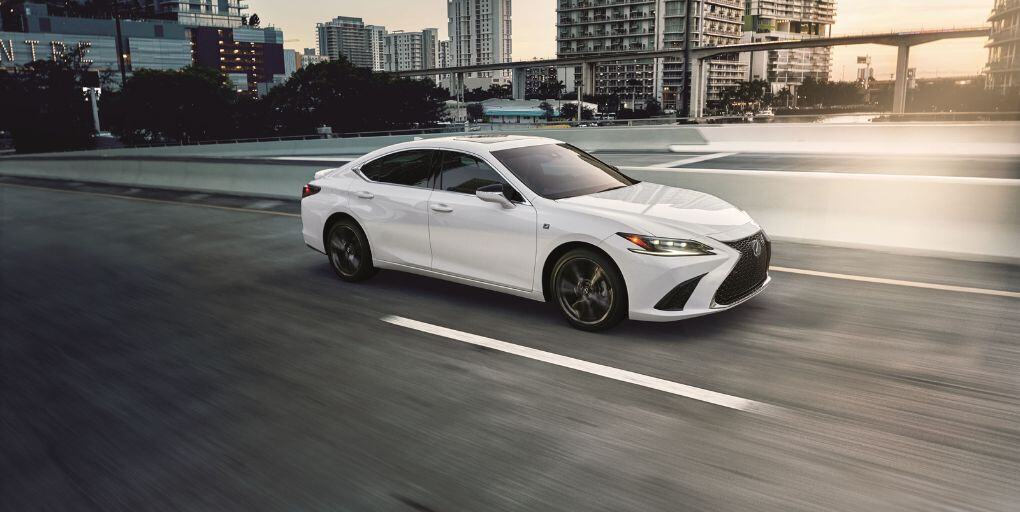
The Lexus IS has established itself as a great small sedan with sporty aspects. The first-generation IS 300 arrived as a 2001 model with the 3.0-liter 2JZ-GE under the hood. Unlike the 2JZ engines in some other Toyotas, the IS engine was not turbocharged. It generated about 215 horsepower and 218 lb-ft of torque, paired at first with an automatic transmission, with a manual transmission added for the 2002 model year. In the IS, the 2JZ showcased its versatility as an engine that could provide a refined ride and raw power.
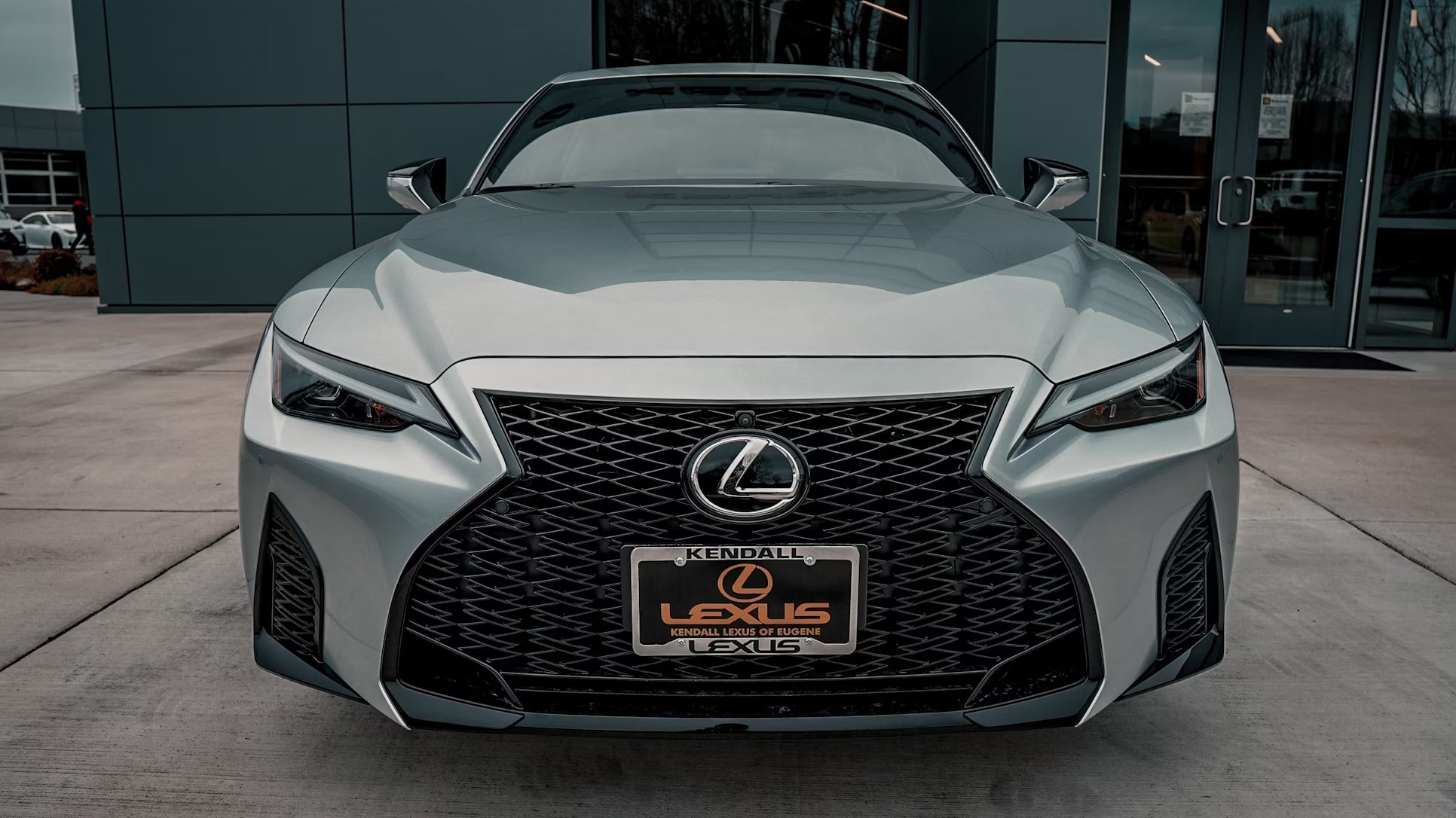
The IS series is still sold today, but no current Lexus uses a 2JZ. The latest IS lineup is available with a turbocharged four-cylinder, a 3.5-liter V6 and, in the IS 500 F SPORT Performance, a 5.0-liter V8. If you like the idea of a compact luxury sport sedan, you can see what's available on our Lexus IS page.
Lexus GS 300
The Lexus GS 300 had a naturally aspirated 2JZ-GE engine making about 225 horsepower. Torque was 210 lb-ft in the first generation and 220 lb-ft after the engine received variable valve timing in the second. Enthusiasts often compare the GS 300 with the Supra because they shared engine DNA, but the GS was tuned for comfort and refinement.
In some markets outside North America, Toyota sold the GS as the Toyota Aristo. The Aristo was offered with a twin-turbo 2JZ-GTE in Japan, but that version was not sold as a GS in the U.S.
Lexus ended production of the GS in 2020. The rear-wheel-drive sedan was sold alongside the Lexus ES, a similarly sized sedan with front-wheel drive, and drivers looking for a bit more space in the cabin than the more compact IS were often steered toward the ES. A used GS can be a good choice if you want a rear-wheel-drive sedan with sporty acceleration.
Lexus SC 300
The Lexus SC was a two-door coupe sold from the early 1990s through the 2000s. The first-generation SC 300, sold in the U.S. from the 1992 through 2000 model years, was powered by the naturally aspirated 2JZ-GE, which produced about 225 horsepower. (A common misconception is that it was turbocharged. The SC 300 was not, and neither was any other Lexus sold in the U.S. with a 2JZ.) The SC 400 of the same generation used a 4.0-liter V8.
The SC proved to be less popular than the Supra. When the second-generation model arrived as the SC 430, it dropped the 2JZ for a 4.3-liter V8, and the SC name was retired after the 2010 model year.
When the Lexus SC was discontinued, buyers still had an option if they were searching for a Lexus coupe. Today, the Lexus LC is a luxury coupe that is also available as a convertible. You can choose a powerful V8 for maximum performance or a more fuel-efficient hybrid V6.
Shopping for a Used Lexus With a 2JZ Engine
All of the Lexus models listed above are more than 20 years old, so condition and maintenance history matter more than the badge. If you're looking for one, here are a few tips:
- Ask for service records: A documented maintenance history is one of the best signs of a well-kept older car.
- Get an inspection: Have a Lexus technician check the car before you buy it.
- Compare condition, not just price: Original, unmodified examples can be harder to find than heavily modified ones.
- Look at newer alternatives: If you want a modern Lexus with sporty character, browse the current F SPORT and F performance models.
Our used selection changes often, and older models aren't always in stock, so check our used Lexus inventory or ask our team what's available.
Frequently Asked Questions About Lexus 2JZ Engines
Which Lexus has a 2JZ engine?
In the U.S., the Lexus IS 300 (2001 to 2005), GS 300 (1993 to 2005) and SC 300 (1992 to 2000) used the 3.0-liter 2JZ-GE inline-six.
Was any Lexus sold in the U.S. with the turbocharged 2JZ-GTE?
No. The 2JZ-GTE twin-turbo engine was used in the Toyota Supra and in the Japan-only Toyota Aristo. The U.S. Lexus IS 300, GS 300 and SC 300 all used the naturally aspirated 2JZ-GE.
Was the Lexus SC 300 turbocharged?
No. The SC 300 used the naturally aspirated 2JZ-GE rated at about 225 horsepower. Its V8-powered sibling was the SC 400.
Does any current Lexus have a 2JZ engine?
No. Toyota ended production of the JZ engine family in 2007, and current Lexus models use newer engines and hybrid or electric powertrains.
Check Out the Lexus Lineup at Longo Lexus in El Monte, California
If you'd like to know more about Lexus's impressive range of sports cars, sedans, and crossovers, we're here to help. You can browse our online inventory of new cars for sale or drop by our showroom to chat with one of our knowledgeable sales team members. We can also help you with tips if you're looking for a used Lexus with the ever-popular 2JZ engine. Once you've decided on the vehicle you'd like to purchase, you can head to our finance center to learn more about your leasing or auto loan options.
Image by Arad Razaghi is licensed with Unsplash License