Blog

Can't-Miss Hiking Trails near El Monte, CA: A Local Guide for Every Adventure Level

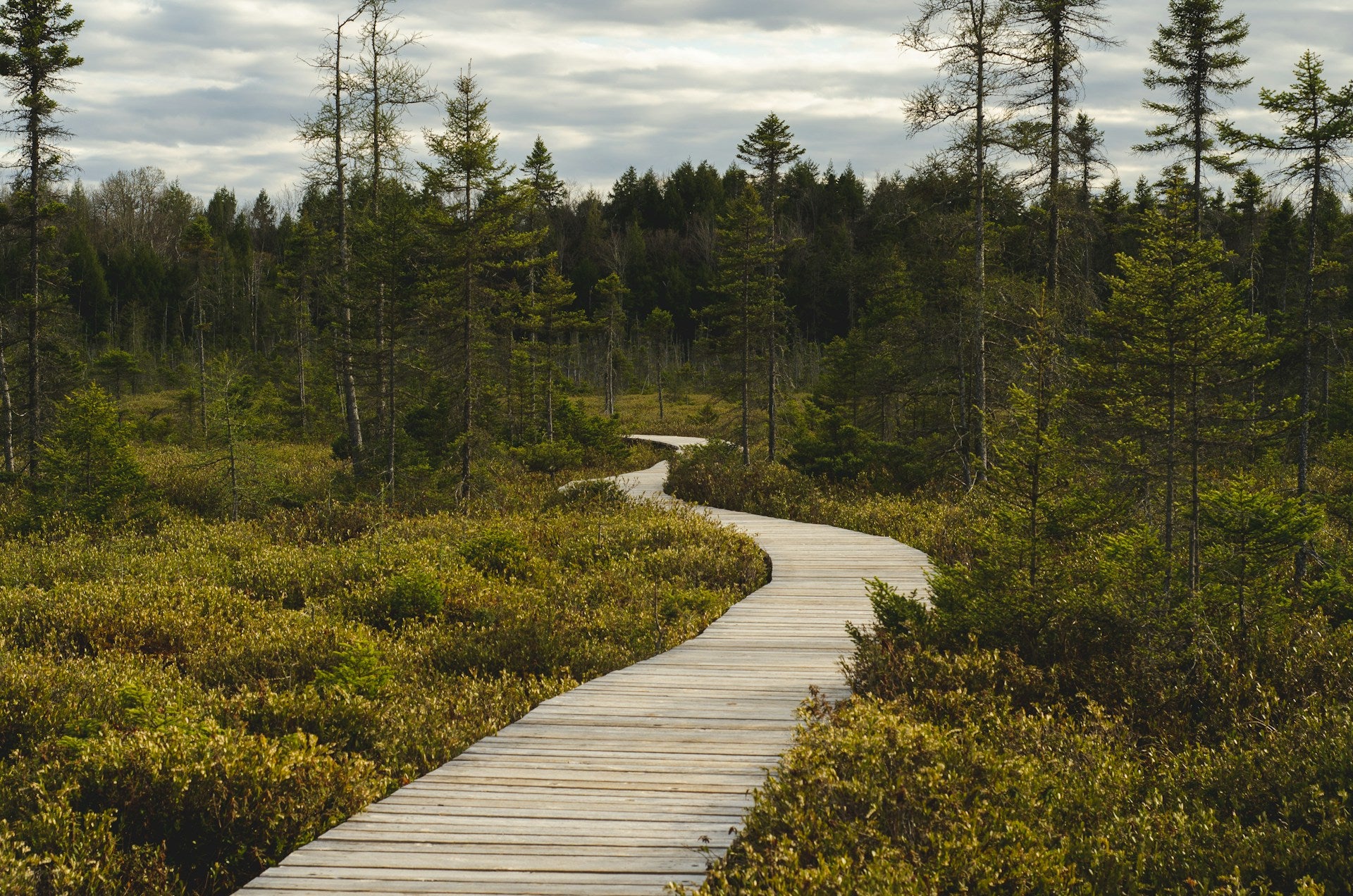
A hiking trail in El Monte, CA

Ask any longtime resident what there is to do around here and hiking comes up fast. El Monte sits right up against the foothills of the San Gabriel Mountains, so trails that could headline a vacation brochure are just minutes from downtown. Whether you're chasing a waterfall or pushing a stroller along a paved path, this guide breaks down our favorite routes by skill level.

Thinking about upgrading your ride before your next outing? Browse our current inventory of new Lexus SUVs built for exactly this kind of adventure.

Why El Monte Is a Local Gateway to Southern California Hiking

El Monte sits about 12 miles east of Downtown LA, close enough for a quick commute but far enough to feel like you've actually left the city behind. That location puts us at the doorstep of the San Gabriel Valley and Angeles National Forest, so hikers here can pick anything from a flat riverside stroll to one of the toughest climbs in the state.

Our stretch of the San Gabriel River and its connected parks gets called the Emerald Necklace locally, a chain of green spaces and waterways linking El Monte to neighboring communities. Good hiking trails running right alongside dense suburban neighborhoods is rare, and it's part of what makes this corner of California such a rewarding place to live.

Easy Trails for Beginners and Families

If you're easing into hiking or bringing young kids along, El Monte and its surrounding parks have plenty of gentle options. These trails favor flat terrain, shade, and amenities like restrooms and play areas, so nobody's stuck cutting a hike short.

El Monte Park Trail

Our local city parks, including one 4.3-acre space with a walking path, play structures, and a splash pad, offer an easy entry point into outdoor time. Fletcher Park adds a basketball court, playground, and the Fletcher "Fetch" Dog Park, with a section of the Rio Hondo bike path running right alongside it. It's the kind of neighborhood trail you can hit on a weeknight without any planning. Check the city parks directory for hours and amenities.

Whittier Narrows Nature Center Trails

This 400-acre riparian sanctuary borders the San Gabriel River and includes four lakes, making it a genuine river-park experience minutes from home. The flat nature-center path connects to the San Gabriel River Trail, and the broader loop runs 4.2 miles with just 45 feet of elevation gain, about an hour to 90 minutes at an easy pace. A shorter 2-mile Sycamore Canyon loop works well for families, and the paths are wheelchair and stroller accessible.

Peck Road Water Conservation Park Trail

Part of the Emerald Necklace system, this 80-acre lake sits in a former quarry and now supports fishing for largemouth bass, bluegill, and catfish. The main loop is an easy half-mile with only 16 feet of elevation gain, perfect for a lunchtime walk.

Riverfront and Waterway Trails Worth Exploring

Once you're comfortable on flat ground, the riverfront paths around El Monte open up longer, more scenic options without adding much difficulty.

Rio Hondo Trail

This paved multi-use path starts near the dam at Peck Road Water Conservation Park, accessible by following Peck Road to Rio Hondo Parkway on the east side, just south of the main lot. From there it heads toward Whittier Narrows, and the popular segment covers 7 miles point-to-point, an easy walk or ride at roughly two hours.

Dogs are welcome and off-leash in some sections, and the path eventually extends toward Pico Rivera for those wanting to go farther. Check current LA County alerts before you go, since the Montebello and Pico Rivera connector has had closures.

Santa Fe Dam Recreation Area Loop

Just up the road in Irwindale, this 70-acre reservoir sits within an 836-acre recreation area. The signature loop covers 3.8 miles with 78 feet of gain, about 90 minutes on a mixed paved and dirt surface. It's open Wednesday through Sunday (closed Mondays and Tuesdays), 6 a.m. to 8 p.m. from March through October and 6 a.m. to 6 p.m. from November through February, and a parking fee applies. Between the fishing, biking, and picnic areas, it's one of the more versatile weekend spots near El Monte.

Adventurous Day Hikes for Experienced Explorers

For hikers ready to test themselves, the Angeles National Forest delivers some of the best hikes near El Monte and across Southern California. These routes demand real fitness and preparation, but the payoff is worth it.

Mount Wilson Trail

Starting from Sierra Madre, the Mount Wilson Trail runs 6 miles one-way to the Mount Wilson Toll Road junction, just below the summit, according to the U.S. Forest Service. The full out-and-back via Little Santa Anita Canyon covers 14 miles with 4,842 feet of elevation gain, typically 9.5 to 10.5 hours, and includes a narrow, rocky section around mile 4.3 that isn't forgiving for beginners.

Many locals consider it the hardest hike within easy reach of the valley. The summit rewards you with a pavilion, picnic tables, restrooms, and the Cosmic Cafe. Free street parking and a water fountain are available at the trailhead.

Eaton Canyon Falls Trail

Near Pasadena and Altadena, this family-friendly-leaning but still adventurous route runs about 3.5 miles out-and-back with 375 feet of elevation change. Several stream crossings lead to a 40-foot waterfall, and it's free with no pass required. A nature center sits right at the trailhead.

Sturtevant Falls via Chantry Flat

This moderate 3.3-mile round trip climbs about 680 feet over 1.5 to 2 hours and ends at a 50-foot cascade tumbling into a shaded grotto. It's one of the best hikes in Angeles National Forest, but it's also very busy, so plan to arrive early or go on a weekday. A National Forest Adventure Pass is required to park, running $5 for a day or $30 annually.

If any of these adventurous routes have you eyeing a vehicle with more cargo room and AWD confidence for the drive up, take a look at our current SUV lineup before you head out.

What to Know Before You Hit the Trail

A little planning goes a long way when you're tackling anything beyond a flat park loop.

Best Seasons for Hiking Near El Monte

The Angeles National Forest stays open year-round, but late spring through early fall gives you the most reliable conditions. Summer heat and wildfire risk can shut down trails without much notice, and winter brings snow and road closures at higher elevations. If Mount Wilson is on your list, September through May is the recommended window for cooler, more stable weather.

Trail Safety, Etiquette, and Permits

Black bears live in these mountains year-round, so proper food storage matters even on day hikes. Mountain lions are rare but present, and rattlesnakes become active from spring through fall, so watch your footing on rocky sections. The U.S. Forest Service recommends carrying a basic first aid kit for anything beyond a short park walk, including antiseptics for cuts and scrapes, tweezers for pulling out splinters or ticks, insect repellent, a snake bite kit, pain relievers, and sunscreen.

A National Forest Adventure Pass is required for any vehicle parked within the forest, and conditions can shift quickly due to fire or flood, so check official alert pages before you head out. Sticking to marked paths, yielding to other hikers, and packing out your trash keeps these trails enjoyable for everyone.

Getting There in Comfort: Exploring El Monte's Trails with Longo Lexus

Vehicles Built for the Trailhead

Longo Lexus sits at 3530 North Peck Road in El Monte, just minutes from both the Rio Hondo trailhead and Peck Road Water Conservation Park. We've spent decades helping local families find vehicles that fit the way they actually live, and around here, that often means loading up for a trailhead run on a Saturday morning. We're the largest Lexus dealer in California, and we see that firsthand every weekend.

The 2026 Lexus RX comes in gas, hybrid, and plug-in hybrid variants, with AWD standard on the hybrid and PHEV trims and up to 36 mpg combined on the hybrid, useful for winding mountain roads up to Chantry Flat or Sierra Madre. If your group is bigger, the Lexus TX seats up to seven across three rows, with 41.4 inches of front headroom, 41.6 inches of legroom, and just over 20 cubic feet of cargo space behind the third row, plenty of room for boots, coolers, and whatever else you're hauling to the trailhead.

Visit Us Near the Trailheads

Ready to see which model fits your next hike? Explore our new Lexus inventory or get in touch with our team to schedule a test drive before your next weekend adventure.

Frequently Asked Questions About Hiking Near El Monte

What's the easiest trail near El Monte for young kids? The Whittier Narrows Nature Center trails and Peck Road Water Conservation Park loop are both flat, short, and stroller-friendly, making them the top picks for families with younger children.

Do I need a permit to hike near El Monte? Most riverside and city park trails require no permit. Trails inside Angeles National Forest, including Sturtevant Falls, require a National Forest Adventure Pass for parking.

Are dogs allowed on these trails? Dogs are welcome on the Rio Hondo Trail, with off-leash areas in certain sections, and at Fletcher Park's dedicated dog park. Always check individual park rules before bringing pets along.

Which trail near El Monte is best for a real challenge? The Mount Wilson Trail's full out-and-back route is widely regarded as one of the hardest hikes in California, with nearly 5,000 feet of elevation gain over 14 miles.

When is the best time of year to hike near El Monte? Late spring through early fall generally offers the most stable conditions, though always check current alerts for heat, fire, or trail closures before heading out.


Photo by Yasmine Duchesne on Unsplash


Recommended Posts

A covered hiking trail in the San Francisco Bay Area

Can't-Miss Hiking Trails in the Bay Area

Ask ten Bay Area hikers for their favorite trail and you'll get ten different answers. That's part of what makes this region so good for hiking. You've got coastal bluffs a short drive from redwood canyons, and East Bay summits not far past either one, all packed into a surprisingly compact stretch of geography. We put together this guide because, from our home base in San Jose, we spend nearly as much time on these trails as we do behind the wheel getting to them. If you're gearing up for a season of exploring, you can browse new Lexus inventory built for trailhead runs, dirt roads, and everything in between. Why the Bay Area Is a Hiker's Paradise Few regions pack this much ecological range into a two-hour radius. You can walk under 250-foot redwoods in the morning and stand on a wind-scoured coastal bluff by lunch. Mild temperatures year-round mean hiking around Bay Area trails rarely goes fully out of season, though summer fog on the coast and dry heat inland change what "comfortable" looks like depending on where you go. Whether you want easy hikes in San Francisco or a demanding summit push in the East Bay, the options below cover every fitness level. Easy and Family-Friendly Trails Lands End Trail, San Francisco This 3.26-mile out-and-back along the northwestern San Francisco coastline takes about 1.5 to 2 hours and delivers views of the Golden Gate Bridge, Marin Headlands, and open Pacific. Along the way, you'll pass the Sutro Baths ruins and staircases leading to Eagle's Point Overlook. It's wheelchair-accessible from the Merrie Way parking lot, and leashed dogs are welcome. Read more in this Lands End trail guide. Glen Canyon Park, San Francisco Tucked off Elk Street and O'Shaughnessy Boulevard, the 66.6-acre Glen Canyon Park park holds a 3.7-mile trail network built around the free-flowing Islais Creek and dramatic chert rock formations. Spring brings wildflowers, and the 1.2-mile Creek to Peaks trail climbs toward Twin Peaks with rewarding city and bay views. Sunol Regional Wilderness, East Bay Established in 1962, this 6,850-acre East Bay Regional Park District property sits near Sunol, south of Pleasanton and east of Fremont. Grazing cattle share the trails here, so follow posted District safety guidance around livestock. Stop by the Old Green Barn Visitor Center, then head toward Little Yosemite, a small gorge along Alameda Creek. Elevations climb from roughly 400 to over 2,200 feet, and there's no water on the trails, so pack your own. Full details in this Sunol Regional Wilderness hike guide. Riverfront, Waterfall, and Redwood Trails Uvas Canyon Waterfall Loop, South Bay This 1,147-acre park in the eastern Santa Cruz Mountains has 7.2 miles of trails total. The 1-mile Waterfall Loop follows Swanson Creek, while the fuller loop combining the Waterfall Loop, Contour Trail, and Alec Canyon Trail visits multiple waterfalls across 3.5 miles. Day-use reservations are required daily, so plan ahead. More on the Uvas Canyon Waterfall Loop. Cataract Falls, Mount Tamalpais On Mt. Tam's northern slope, the Cataract Trail follows Cataract Creek from its origin on the mountain down to Alpine Lake, passing through ferns and stands of coast redwood and Douglas fir, with tanoak and bay laurel filling in the understory. The trail runs roughly 3 miles between Alpine Lake and Rock Spring parking. Flow is strongest after winter storms and noticeably lower by late summer, so check with Marin Water for current conditions before you go. Details in this Cataract Falls trail write-up. Muir Woods National Monument, Marin Muir Woods offers 6 miles of trails with loop options running roughly 30 minutes to 90 minutes. The Main Trail follows Redwood Creek across boardwalk, asphalt, and packed soil; the shortest loop, a flat 0.5 miles, ends at Bridge 2, while a longer 2-mile version reaches Bridge 4. The tallest redwood here reaches 258 feet within 550-plus acres of old growth. Pets, bikes, and camping aren't permitted, and parking requires a reservation through GoMuirWoods.com. Learn more from the National Park Service on Muir Woods. Scenic Coastal and Ridge Hikes Point Reyes National Seashore, Marin Home to over 1,500 plant and animal species across roughly 150 miles of trails, Point Reyes is worth the drive north. Pick up maps at the Bear Valley Visitor Center. Alamere Falls, a tidefall dropping into the Pacific, is a highlight, but stick to official trails toward Wildcat Campground before descending to the beach, and check the NPS advisories page for current status. More at this Point Reyes hiking resource. Marin Headlands: Hawk Hill and Slacker Hill Part of the Golden Gate National Recreation Area, this area also includes Rodeo Lagoon, Gerbode and Tennessee Valley, and Point Bonita Lighthouse. A 2017 trail realignment opened up Hawk Hill's 360-degree views to more visitors, and it's prime territory for fall raptor migration viewing on fog-free days between 10 a.m. and 2 p.m., September and October. It's also mission blue butterfly habitat, so stay on trail. Slacker Hill pairs naturally via the Coastal Trail. See this Marin Headlands lookout guide. Devil's Slide Coastal Trail, Pacifica This 1.3-mile paved trail follows a former stretch of Highway 1, with separated lanes for hikers and cyclists, plus benches, observation scopes, and restrooms along the way. It's part of the California Coastal Trail, a route that will eventually run 1,200 miles between Oregon and Mexico. On clear days, views stretch to Pedro Point Headlands, Mt. Tam, and Point Reyes. Full write-up at this Devil's Slide Trail guide. Adventurous Day Hikes and Summit Climbs Mission Peak Regional Preserve, Fremont Mission Peak connects to the 28-mile Ohlone Regional Wilderness Trail, linking Mission Peak, Sunol, Ohlone Wilderness, and Del Valle. The summit approach is rugged, and the payoff is a sweeping valley and bay view. Late-July heat makes early starts and extra water non-negotiable here. More context via this Ohlone Wilderness Trail overview. Mount Diablo State Park, East Bay Mount Diablo is one of the East Bay's most recognizable summits, with fire roads and single-track trails radiating from the peak and serious elevation gain for anyone tackling it from the base. Panoramic views make it worth the climb, but treat it with the same heat caution as Mission Peak during summer months. Mount Umunhum, Sierra Azul Preserve At 19,000-plus acres, Sierra Azul is Midpen's largest preserve, and Mount Umunhum's peak sits at 3,486 feet, the highest point on the Bay Area Ridge Trail. From the top, you're looking down over Lexington Reservoir, Los Gatos, and southern San Jose, close enough to home that we consider it a neighborhood hike. The Guadalupe Creek Overlook marks roughly a third of the way up, and the round trip runs 8.2 miles with 1,187 feet of elevation gain, taking about 3.5 to 4 hours. The upper 3 miles stay shaded under coast live oak and foothill pine, with California bay and Pacific madrone mixed throughout. Gates open at 7 a.m. and close at sunset. Read more in this Mount Umunhum trail resource. Worth the Drive: Santa Cruz Mountain Escapes Big Basin Redwoods and Berry Creek Falls Big Basin is California's oldest state park, known for old-growth redwoods and the multi-cascade Berry Creek Falls loop. Recovery from the 2020 CZU fire is ongoing, and the old observation platform near the falls was destroyed in that fire, so trail access and conditions change. Verify current status on the official California State Parks site before you head out. More background at this Bay Area redwood hikes overview. Henry Cowell Redwoods State Park This park mixes coast redwood and Douglas fir with bay laurel and tanbark oak across trails suited to hikers of most levels, plus seasonal fishing, camping, and birdwatching. The Fall Creek Unit, a second-growth forest with a fern-lined canyon and remnants of the old lime industry, is day-use only. Horses are restricted on named trails and drones aren't allowed. A $10 day-use parking fee applies (per California State Parks; $9 for seniors 62+). Details at this Henry Cowell Redwoods guide. Trail Tips: Seasons, Permits, and Safety Rainy season, roughly November through March, is what actually fills creeks and waterfalls, so if you're chasing waterfalls, wait until after a few good storms before heading to Uvas Canyon or Cataract Falls. Summer brings coastal fog along the Pacific side while inland areas like Mission Peak and Mount Diablo turn hot and dry, though redwood groves stay cool. Autumn tends to offer the clearest, least foggy days, and winter turns hillsides green and trails muddy while waterfalls reappear. On the safety side, learn to spot poison oak: leaves grow in groups of three, gently lobed, showing up as a bush, vine, or ground cover in green or reddish tones. Many people react to it, so long pants are a smart call on brushier trails. Watch for ticks and rattlesnakes on grassy or rocky sections, and respect fog and wind on exposed coastal trails like Lands End or Devil's Slide. At Sunol, follow East Bay Regional Park District guidance around grazing cattle. Given this is late July, treat Mission Peak and Mount Diablo with real heat caution, watch general fire risk, and expect lower water flow at Cataract Falls and Uvas Canyon than you'd see in spring. Explore the Bay Area in Comfort with Lexus Stevens Creek Gear and Driving Tips Good gear gets you to the trailhead, but the drive there matters too. Rough fire roads leading to Mount Umunhum or Mount Diablo, gravel lots at Sunol, and foggy coastal turns near Devil's Slide all benefit from a vehicle with confident all-weather capability and enough cargo room for your boots and packs, plus whatever gear you end up hauling back muddy after the hike. An AWD-capable Lexus handles that kind of range without much fuss, and if you want to look before a weekend trip, you can find an AWD-capable Lexus in our current lineup. Contact Us Whether you're chasing scenic hikes in Bay Area redwood groves or ridge-top views near Los Gatos, having reliable transportation makes the whole outing easier. We're proud to be Northern California's top-volume Lexus dealer for new and pre-owned vehicles, and we've been serving Silicon Valley from Stevens Creek Boulevard since 1989. If you have questions about which model fits your outdoor plans, or want to schedule a pre-trip service check, contact Lexus Stevens Creek and we'll help you get ready for your next trail day. Photo by Megan Lee on Unsplash

A green Lexus GX in the California desert

2026 Lexus LX vs. GX: Which Luxury SUV Fits Your Driving Style?

Your weekly routine should drive this decision more than any spec sheet will. Weekend trail runs, towing a boat to the lake, hauling the whole extended family down the freeway, all of that matters more than horsepower numbers when you're weighing the 2026 Lexus LX vs GX. Both SUVs share Lexus's rugged GA-F ladder-frame platform, but they take that shared foundation in very different directions. Ready to see them in person? You can browse our current inventory of family SUVs at Longo Lexus and start narrowing down your options today. 2026 Lexus LX vs. GX: Two Distinct Takes on Luxury SUV Performance The GX carries over for 2026 largely unchanged, which tells you Lexus already had the formula right: a compact, agile off-roader with real luxury polish. The LX picks up minor updates and a new F Sport Appearance Package, staying true to its position as the brand's flagship. Line them up side by side and the GX reads as the nimble adventure vehicle, while the LX reads as the full-size statement piece with three-row practicality and a hybrid option. The GX chases trail agility; the LX aims for commanding presence. Here's a quick side-by-side before we dig into the grades: Spec GX 550 LX 600 LX 700h Engine 3.4L twin-turbo V6 3.4L twin-turbo V6 3.4L twin-turbo V6 hybrid Drivetrain Full-time 4WD Full-time 4WD Full-time 4WD Horsepower/Torque 349 hp / 479 lb-ft 409 hp / 479 lb-ft 457 hp / 583 lb-ft Towing Capacity Up to 9,096 lbs Up to 8,000 lbs Up to 8,000 lbs Seating Capacity Up to 7 Up to 7 Up to 7 Fuel Economy 15/21/17 MPG 17/22/19 MPG 19/22/20 MPG Lexus GX: Exploring the Six Grades Lexus offers the GX in six grades, starting with everyday comfort and building up to serious trail readiness at the top end. Every grade shares the same 3.4L twin-turbo V6, so the differences come down to comfort features and off-road hardware rather than power. GX Premium, Premium+, and Luxury Premium is a strong starting point, with 20-inch wheels, synthetic leather, 8-way power heated and ventilated front seats, and a 14-inch touchscreen running navigation, Wi-Fi hotspot, and wireless Apple CarPlay and Android Auto. Step up to Premium+ and you gain the Panoramic View Monitor for a 360-degree camera view, heated second-row outboard seats, a heated steering wheel, and a Power Rear Door with Kick Sensor. Luxury grade adds semi-aniline leather and massaging front seats, moving the cabin closer to true executive territory. GX Luxury+, Overtrail, and Overtrail+ Luxury+ brings a 21-speaker Mark Levinson audio system, power-deploying running boards, an adaptive suspension, and the Dynamic Sky dimmable panoramic glass roof. Things shift dramatically with Overtrail and Overtrail+, which trade some on-road polish for genuine trail capability. Overtrail and Overtrail+ are the only GX grades equipped with E-KDSS, which independently manages the front and rear stabilizer bars so each wheel can articulate more freely over uneven terrain. They also get an electronically controlled locking rear differential (which locks the rear wheels together so they spin at the same speed for better grip in low-traction situations), Crawl Control with five speed settings for creeping over obstacles without touching the pedals, Multi-Terrain Select, and a standard 1-inch suspension lift that brings ground clearance to 9.84 inches. Overtrail+ carries all that same hardware and adds front massaging seats for drivers who want trail readiness without sacrificing comfort. Lexus LX: Exploring the Five Grades The LX lineup covers five grades, and this is where the LX and GX comparison really starts to diverge. LX buyers choose between the standard V6 and the hybrid V6, and every grade comes with Active Height Control and Adaptive Variable Suspension standard. LX Premium and F SPORT Handling Premium is the recommended starting point and comes well-equipped with a dual-screen cockpit and seating for up to seven. F SPORT Handling shifts the character toward performance, with exclusive 22-inch forged aluminum wheels, an F mesh spindle grille, tuned front and rear performance dampers, a Torsen limited-slip differential, a rear stabilizer bar, and specially tuned EPS and AVS. New for 2026, the F Sport Appearance Package is exclusive to the LX 700h F SPORT Handling grade, adding color-keyed bumper accents, black mirror covers, a black rear spoiler with winglets, and color-keyed running board accents. LX Luxury, Ultra Luxury, and Overtrail Luxury grade brings 22-inch wheels, semi-aniline leather, massaging front seats, ventilated outboard second-row seats, a 25-speaker Mark Levinson system, a digital rearview mirror, and automated parking. Ultra Luxury drops the third row entirely in favor of a four-seat configuration, with reclining power second-row VIP captain's chairs featuring heat, ventilation, massage, and curved headrests, plus rear-seat entertainment on twin 11.4-inch screens. The Overtrail grade, exclusive to the LX 700h hybrid for 2026, adds front and rear locking differentials, a 2,400W AC inverter, off-road all-weather floor liners, 33-inch all-terrain tires on 18-inch wheels, a front skid plate, and an Earth exterior finish paired with Black or Stone Brown semi-aniline leather. Powertrain Showdown: Turbocharged V6 vs Gas and Hybrid V6 Options Every GX grade runs the same 3.4L twin-turbo V6, producing 349 hp and 479 lb-ft of torque, paired with a 10-speed automatic. That output, combined with full-time 4WD and a Torsen limited-slip locking center differential, gives the GX quick, confident acceleration whether you're merging onto the freeway or climbing a fire road. A two-speed transfer case with low range and a standard integrated trailer-brake controller round out the package, making it genuinely ready for towing duty. The LX raises the stakes with two distinct powertrains. The LX 600 uses the same twin-turbo V6 tuned to 409 hp and 479 lb-ft, hitting 60 mph in about 6.9 seconds with fuel economy rated at 17/22/19 MPG. The LX 700h hybrid pairs that engine with electrification for 457 hp and 583 lb-ft, dropping the 0-60 time to roughly 6.4 seconds while improving fuel economy to 19/22/20 MPG. Both LX powertrains share full-time 4WD with a 50:50 Torsen limited-slip locking center differential, Crawl Control, and hill-descent control, and both are rated to tow up to 8,000 lbs. Oddly enough, the compact GX out-tows the LX in its Overtrail configuration, reaching 9,096 lbs thanks to its lighter body and dedicated hardware, a detail that surprises a lot of shoppers comparing the two lineups on paper. Interior Comfort, Seating, and Cargo Space Seating flexibility is where these two SUVs really show their personalities. Most GX grades, Premium up through Luxury+, offer a standard 7-passenger three-row layout, with optional second-row captain's chairs that bring seating down to six for a bit more personal space. Premium+ and above get a power-folding 50/50 third row, and cargo runs from 10.3 cu ft behind the third row to 76.9 cu ft in the three-row configuration. Overtrail and Overtrail+ drop the third row for a dedicated two-row, five-seat layout, with cargo capacity of 45.6 cu ft that grows to 90.5 cu ft with the second row folded, plus a handy 120V outlet for camp gear or power tools. Families cross-shopping the two lineups will want to test-sit both configurations, since the captain's chair option and the three-row bench feel noticeably different in daily use. The LX, being the brand's largest SUV, offers a more expansive cabin overall. The three-row LX uses a 60:40 second row with an electric 50:50 third row, giving the LX 600 about 11 cu ft with the third row up, roughly 44 cu ft with the third row folded, and around 64 cu ft with both rows down. The LX 700h, carrying its hybrid components, offers about 7.2 cu ft with the third row in place. For sound quality, every LX comes with a standard 10-speaker system, with the 25-speaker, 2,400-watt Mark Levinson Reference Surround Sound setup standard from the Luxury grade and available below it, a real step up for anyone who spends serious time behind the wheel on long Southern California drives. Which SUV Matches Your Driving Style It helps to think in real scenarios rather than spec sheets when comparing the two. Choose the GX If You Value Agility and Off-Road Versatility If your weekends involve desert trails, mountain roads, or towing a boat out to the lake, the GX's near-equal off-road capability paired with its more compact, maneuverable size makes it the practical pick. The Overtrail and Overtrail+ grades in particular are the obvious choice for anyone who will actually use their E-KDSS suspension, locking rear differential, and Crawl Control rather than just admiring them in a brochure. Its strong towing numbers and manageable footprint make it easy to live with during the week and capable enough for genuine adventure on the weekend. Choose the LX If You Prioritize Flagship Luxury and Refinement If you want the brand's largest, most luxurious SUV, complete with genuine three-row practicality, a hybrid powertrain option, and off-road capability layered on top of flagship comfort, the LX is built for you. Its appeal comes down to cabin isolation and premium materials, backed by a road presence that commands attention, whether you're dealing with El Monte traffic or road-tripping across California with the whole family in tow. Test Drive the 2026 Lexus LX and GX at Longo Lexus The best way to settle an LX vs. GX decision is to get behind the wheel of both. Why Choose Longo Lexus As the largest Lexus dealer in California and an Elite of Lexus award recipient since 1992, Longo Lexus has the inventory and expertise to walk you through every grade, GX Premium through LX Ultra Luxury. Schedule Your Visit Stop by our El Monte showroom at 3530 Peck Rd, explore our current lineup by browsing our current inventory of family SUVs, or reach out to our team to schedule your test drive today.

Where Are Toyotas Made? U.S. Manufacturing and Tariffs Explained