


There’s no denying now that electric cars are the way of the future. Manufacturers across the industry are introducing new electric cars, SUVs, and trucks, like the Lexus RZ. Not only are companies introducing electric vehicles, but many, including Lexus, are also planning to convert to solely electric sales by the middle of the century. With all the new information and specs surrounding electric vehicles, you may have questions about maintenance, charge times, and batteries. Here’s everything you need to know about how electric cars work.
Different Types of Electric Cars
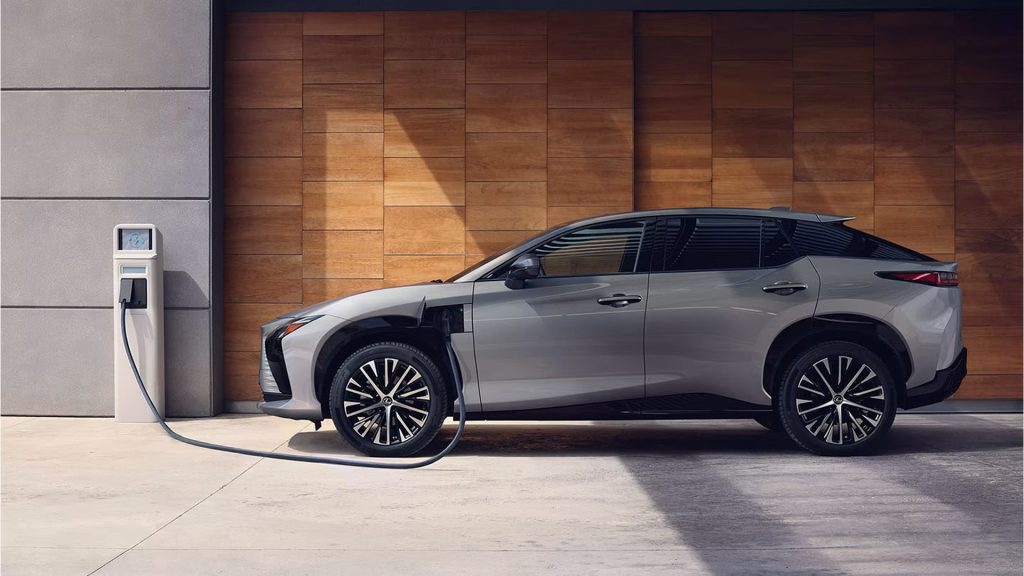
The first thing to understand about electric vehicles is that they’re not all made the same. How they function has a lot to do with which kind of electric vehicle it is. The first kind of electric vehicle is a standard hybrid, which uses a self-charging electric power train to produce electric energy and make the engine more efficient. This kind of power train can also boost the torque within the engine, all without ever being plugged in. What this often means is the engine uses regenerative energy from braking to recharge the electric component within the engine.
A second kind of hybrid is the plug-in hybrid, which uses the same self-charging technology, but couples it with the benefits of plugging your vehicle in for a proper charge. Plug-in hybrids take advantage of electric energy during shorter trips, allowing you to extend the life of the fuel in your engine, but they also provide peace of mind for longer road trips, when you may not be able to find somewhere to charge your vehicle.
The last type of electric vehicle is battery-electric, or fully electric. These vehicles don’t have any capacity for using gasoline and rely solely on the electrical energy within the battery to power the car. A fully electric vehicle can be the most efficient when it comes to energy costs, as you can simply set it to charge overnight. A fully electric vehicle might worry drivers who live or drive in areas without available fast chargers. For example, if you’re someone living in an apartment building without much access to a charger, it may be difficult to keep your car fueled.
Batteries in Electric Cars
The battery in your electric car is what replaces the gasoline tank. Rather than filling your car with gas and storing it there, you charge your car and store the energy in what is often a lithium-ion battery. Batteries are very heavy and often increase in weight as you add more range and power. Just like with fuel tanks, larger cars are likely to have larger batteries.
Batteries in electric vehicles are measured in terms of kilowatt-hours. Larger numbers for the kWh often mean more range for the driver. For example, the Lexus RZ 450e, which has a starting MSRP of $59,650, has a total battery capacity of 71.4 kWh, which translates to up to 220 miles for the driver.
Electric Motors vs. Gasoline Motors
So now you understand how an electric car stores the fuel it can use to operate, but how does it take the fuel and make the car move To better understand electric motors, we can first review how regular motors work. Traditional gasoline-powered engines, or combustion engines, use gasoline to create tiny explosions within the engine, which push the pistons and make the car move.
Because of the fuel necessary for this process, the exhaust, and the heat generated within the engine, combustion engines just aren’t as efficient or environmentally friendly as electric vehicles. They also have a lot more moving parts than electric motors, which can cause more major mechanical issues.
Electric vehicles use electric motors, which convert electric energy into mechanical energy. This mechanical energy is what turns the wheels and makes the electric car move. An electric vehicle can have between one and four motors and may have a single motor mounted to the axles or individual power for each wheel. Rather than using pistons, electric motors use electromagnets and polarity to rotate shafts.
To better understand this, imagine a time when you’ve held two magnets together and felt them repel one another. An electric car’s battery takes advantage of this using an electromagnet on a rotating shaft next to a fixed magnet. The magnet on the rotating shaft will have that repelling polarity as it spins, and when the opposite sides begin to align, the electromagnet switches so the sides are still repelling. This allows the magnet on the shaft to use that polarity to continue spinning, which creates the motion the car can use to accelerate.
Inverters and the Electric Engine
Rotating magnets in the electric car take the fuel from the battery and turn it into motion so the car can propel forward, but how do electromagnetic magnets switch to ensure they’re always repelling one another? The answer is the inverter within the electric vehicle. An inverter is a component that alternates the flow of electrons within a system, resulting in an alternating current.
Because batteries store energy, they’re only capable of emitting energy in a single direction. Without the inverter, the electric motor would only get a single half-turn before the magnets stopped moving because they weren’t repelling one another anymore. The inverter takes the flow of energy and alternates it so the polarity of the magnets continues to change, which makes the magnet rotate and propels the car.
Without the inverter, you would have to pick up the battery in an electric car and rotate it to reverse the polarity, which would (obviously) be completely impractical. The inverter is a key player in what makes electric vehicles so efficient and powerful. The battery, motor, and inverter are the three key players within an electric vehicle that all work together to offer more torque, speed, and performance than some gasoline-powered cars.
We hope this guide has been helpful if you’re interested in electric vehicles and how they work. At Longo Lexus, we’re proud to serve the El Monte, California area and participate in Lexus’s vision for a carbon-neutral society. For more information or to schedule a test drive, please contact one of our friendly professionals today.
Connect with us


Recent Blog Entries
- 2026 Lexus TX vs. 2026 Lexus LX: Two Exceptional SUVs, One Showroom
- Is the Lexus TX Electric? Exploring Its Hybrid Options and MPG
- How Much Is the 2026 Lexus TX? A Trim-by-Trim Price Breakdown
- Where to See Fireworks in Los Angeles This 4th of July
- 2026 Lexus NX vs. 2026 Toyota RAV4: How Do They Compare?