

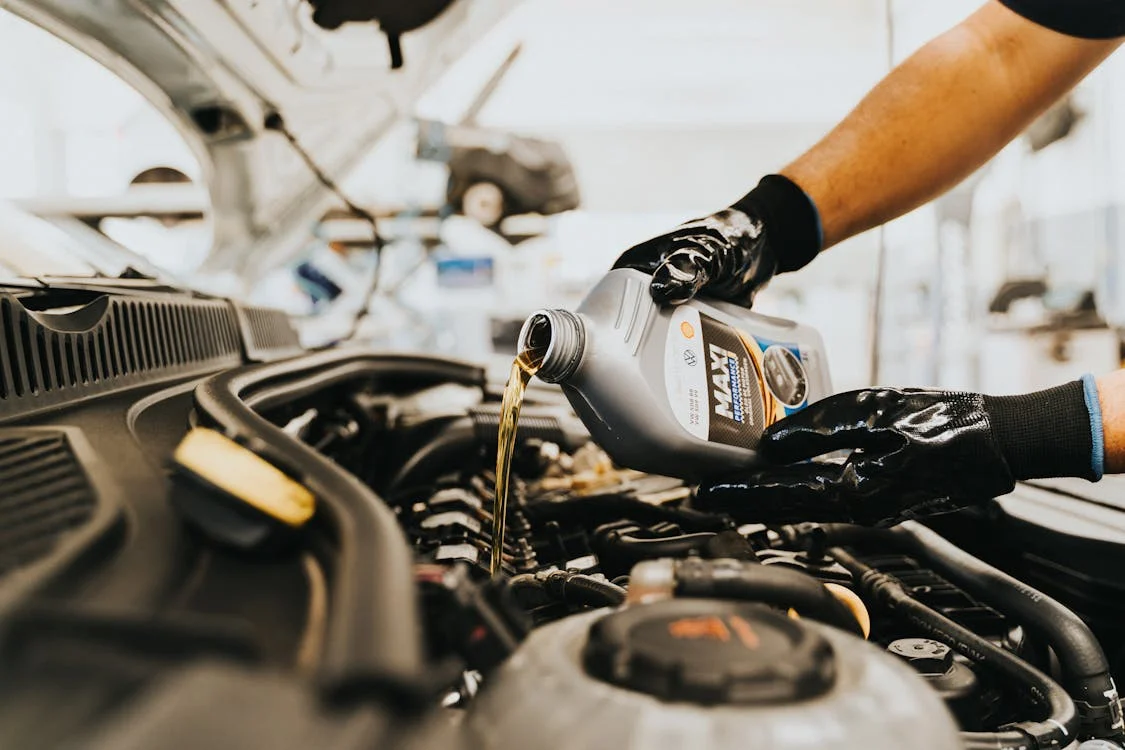
Your vehicle’s engine is a complex machine with many moving parts, which create a lot of heat and friction. To make sure it works safely and efficiently, you need to keep these parts lubricated — otherwise, you could find yourself facing expensive repairs or even engine failure. Engine oil keeps things running smoothly by reducing friction, controlling heat, and preventing impurities from building up. But could you benefit from changing to synthetic oil from regular?
Common Myths About Synthetic Oil
To start with, let’s look at a couple of things you might have heard about synthetic oil. There’s a long-standing idea that synthetic oil can strip away deposits that are acting as seals in an engine, thereby creating pathways for leaks. In modern cars, this isn’t the case.
Another myth states that dark-colored oil should be changed immediately because it is dirty, but that’s not always true. The color change could be due to the additives that work to clean the engine components — so a darker color might just mean the oil is hard at work supporting your engine. If your oil is grainy, though, it needs immediate replacement.
Decoding Different Types of Motor Oils
Motor oils vary widely in their composition, and selecting the best one for your vehicle can greatly improve both performance and engine life. So, what’s the difference?
Conventional Oil
Conventional oil is made by refining crude oil to eliminate impurities. This standard type of oil has been in use for many years but contains natural contaminants that gradually affect performance. Older engines and vehicles that function under normal conditions still benefit from using conventional oil.
Synthetic Oil
Engineers make synthetic motor oil to achieve maximum lubrication and protection. Synthetic oil is manufactured through refining and distilling processes that produce uniform molecules for improved performance. It also contains additives that help minimize sludge accumulation while boosting temperature resistance and prolonging engine life.
Synthetic Blends
Synthetic blends contain synthetic oil mixed with conventional oil, resulting in superior performance compared to conventional oil while costing less than full synthetic oil.
Pros and Cons of Using Synthetic Oil
Wondering whether synthetic oil’s better for your car? Here are some of the benefits and disadvantages.
Advantages of Synthetic Oil
The benefits of using synthetic oil include:
- Enhanced longevity: Synthetic oil has a more stable molecular structure than conventional oil. This creates a consistent layer of protection between moving parts, reducing friction and preventing premature wear.
- Temperature resistance: Synthetic oil remains stable and performs well at extreme temperatures, providing continued protection. Its viscosity allows for easier flow during cold weather for smoother engine startups.
- Improved fuel efficiency: Thanks to its consistent structure and helpful additives, synthetic oil more effectively reduces friction between engine components and minimizes the buildup of impurities, thus improving fuel efficiency.
- Lower environmental impact: The prolonged lifespan of synthetic oil leads to reduced waste production, as it requires less frequent replacement than conventional oil. Some synthetic oils have been developed to decrease environmental damage by cutting emissions and improving fuel economy.
Disadvantages of Synthetic Oil
There are some downsides to synthetic oil, including:
- Higher cost: Price is the main disadvantage of synthetic oil, but its longer lifespan helps offset the cost.
- Compatibility with older engines: Synthetic oil breaks down deposits, which can cause leaks in older engines that rely on such deposits to seal small gaps. Always check your owner’s manual before making the switch.
When Is It Time To Switch to Synthetic Oil?
The manufacturer’s recommended oil should be your first choice, but you might want to opt for synthetic oil if you drive your vehicle in severe conditions, go on frequent short trips around El Monte or elsewhere, or do a lot of towing work. If you have an older engine, it might help by reducing sludge buildup that blocks passages and leads to engine damage.
If you choose to switch oil types, you can get help from a qualified mechanic or do it yourself. Start by draining the old oil, replacing the filter, and finally adding synthetic oil. In older engines, an engine flush might be a good idea to remove built-up sludge before you replace the oil.
Synthetic Oil Maintenance and Change Intervals
With time, engine oil degrades because of contamination and oxidation, meaning it needs to be changed. Monitoring your engine oil’s quantity and quality through level checks and regular checkups can prolong the life of your engine. Synthetic oil typically requires replacement every 10,000 to 15,000 miles, but if you drive in tough conditions or make frequent short trips, you may need to change it more often.
Factors Influencing Your Oil Choice
Before you make a decision about which oil to go for, consider these factors:
- Vehicle age and mileage: For many older engines, conventional oil is ideal, but for modern or high-performance engines, synthetic oil is a better option. Higher-mileage engines might also experience less wear with synthetic oil.
- Driving conditions: People who regularly drive in harsh weather conditions, tow heavy loads, or take frequent short trips are likely to benefit from using synthetic oil.
- Budget considerations: The higher initial expense of synthetic oil is balanced out by its longer lifespan, which leads to cost savings over time.
Do I Need Synthetic Oil?
If you’re still wondering whether to change to synthetic oil, consider your driving conditions, vehicle type, and long-term maintenance goals to make up your mind. At Longo Lexus in El Monte, California, we can help you determine the best oil for your vehicle and provide expert maintenance services to keep your car running smoothly. Contact us today to schedule an oil change or learn more about the best options for your vehicle.
Pouring Oil to Engine by Daniel Andraski is licensed with Pexels License
Connect with us


