

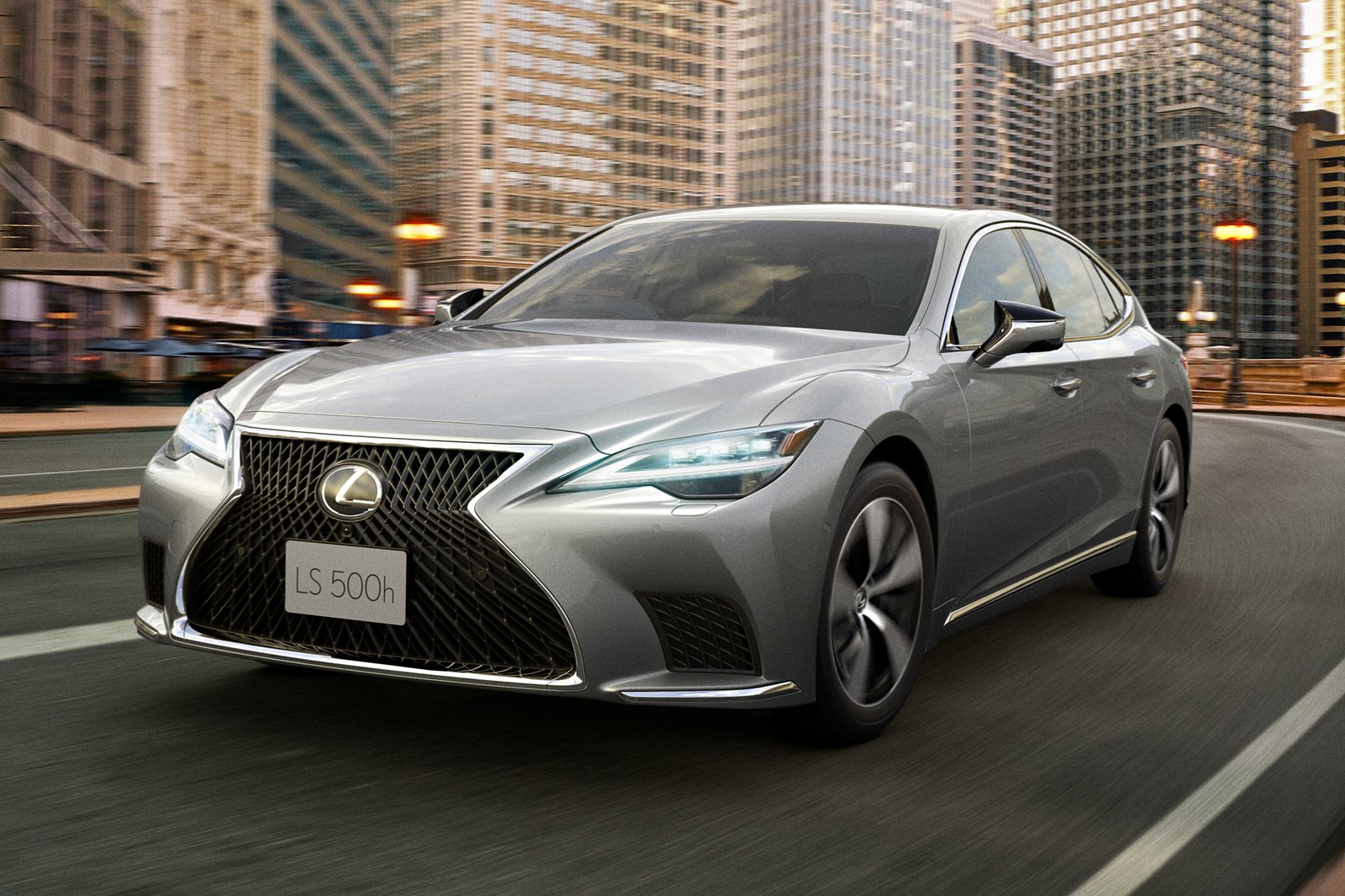
The Lexus LS is Lexus’ flagship model, and it has a luxurious interior and a smooth, comfortable ride. The company is Toyota’s luxury division, and LS is an abbreviation for luxury sedan. The LS 400 debuted to strong sales in 1989, and it helped Lexus become one of the most popular and successful luxury vehicle manufacturers. There are five generations of this car, and the 2024 Lexus LS is part of the latest. Here’s some additional information about the history of the LS and its improvements over the years from our Longo Lexus team in El Monte, California.
The Introduction of the LS
The first LS generation started with the 1990 LS 400. It had a boxy profile, large, rectangular automatic headlights, fog lights, and chrome trim around the grille. The seats used premium leather, and standard features included heated power front seats, an air suspension, and a digital display for the heater and air conditioner.
The instrument cluster had green on black lighting, and the 250 hp, 4.0L V-8 engine was reliable and efficient. It used a four-speed automatic transmission. In 1993, the LS 400 received a variety of updates, including changes in available trim levels and new colors. Improvements to the suspension system, steering, brakes, tires, and wheels made driving the LS 400 even more pleasurable. Until 2006, people in Japan called the Lexus LS the Toyota Celsior.
The Second Generation
The second LS generation started with the 1995 LS 400 in November 1994. The wheelbase widened 1.4 inches to 112.2 inches, and there were 2.6 more inches of legroom in the rear seats than in the first-generation LS. The second-generation LS also had more soundproofing. Both generations had similar styles, and they used the same four-speed automatic transmission and motor. Despite its larger size, the 1995 LS was 209 pounds lighter than the 1994 model.
In 1998, a mid-cycle refresh added a redesigned front grille, new doors, a five-speed automatic transmission for additional speed, efficiency, and responsiveness, and a new variable valve timing system that increased the V-8’s hp from 250 to 290. The 1998 Lexus LS also received a GPS navigation system with maps recorded on CD-ROMs, an advanced fuel meter that showed daily usage, and redesigned side mirrors to reduce wind noise. It had a climate control system with an improved filter and an antenna that was part of the rear window as well.
The LS 430
The third generation of the LS appeared at the North American International Motor Show in 2000. Lexus called it the 2001 LS 430 for its larger 4.3L engine, which produced 290 hp and had an increased torque of 320 lb-ft. The LS 430 included a new adaptive cruise control system, which used lasers to monitor the location and speed of vehicles ahead, and an adjusted center of gravity and ride height increased stability. The LS 430 also had an anti-theft system, LED taillights, smaller gaps in body panels, narrower fog lights, a restyled bumper, and wood interior accents.
In 2004, the LS 430 received a six-speed automatic transmission and radar instead of lasers for the cruise control. This system was more reliable in bad weather.
The LS 460
The fourth Lexus LS generation started with the LS 460 in 2007. It had a more stylish, aerodynamic look than previous LS models, and the new 4.6L V-8 generated 380 hp, an impressive upgrade. The LS 460 was the first production car with an automated parking system and an eight-speed automatic transmission. It also had eight air bags, a tire pressure monitoring system, automatic headlights, and a pre-collision system that automatically closed the windows and sunroof and tightened the seat belts before a collision.
The LS 460 L had a long wheelbase, and an optional executive package included a reclining and massaging rear seat, an ottoman, and a folding table. An all-wheel-drive hybrid called the LS 600h was available as well. It combined a 5.0L V-8 engine with the two electric motors in Toyota’s Hybrid Synergy Drive, and it provided a total of 438 hp. A hybrid vehicle with a long wheelbase called the LS 600h L was also optional.
In 2010, Lexus introduced a new Sport trim level with Brembo brakes and a sport-tuned air suspension. The LS adopted the spindle grille found on many other Lexus models in 2013, and an F-Sport trim level became part of the lineup.
The Fifth-Generation LS 500
The fifth-generation LS 500 arrived in 2018, and it used the Toyota New Generation Architecture – Luxury platform. The 3.4L twin-turbo V-6 delivered 415 hp. Lexus only offered one wheelbase length, but the executive package remained optional. The hybrid LS 500h included a 3.5L V-6 and a multi-stage hybrid transmission that simulated a 10-speed automatic transmission. Previous models had an upper grille and a smaller lower grille, but the LS 500 came with one large, angular grille and matching clusters with headlights, fog lights, and turn lights. The infotainment screen expanded to 12.3 inches.
In 2021, the LS 500 received better insulation for a quieter ride and a touch screen. The awesome 2024 Lexus LS has a large grille and aggressive-looking, triangular headlights. It can carry up to five people, and it includes the following fantastic features:
- A heated, leather-wrapped steering wheel.
- A rear power sunshade to keep the sun off your passengers.
- Dual-zone climate control.
- A 12-speaker sound system.
- Apple CarPlay.
- Android Auto integration.
- Active noise cancellation to block road sounds.
- Six USB ports.
- Heated and cooled 16-way power front seats.
- An auto-dimming rearview mirror.
You can choose 19- or 20-inch wheels, and heated rear seats, massaging seats, a 7-inch rear touch screen, and a Wi-Fi hotspot are optional.
The Lexus LS Provides Convenient Features and an Exciting Drive
To learn more about what a great car the 2024 LS is as well as check out the other model years, visit us at Longo Lexus in El Monte, California. We offer an extensive inventory, and we can help you select the best vehicle for your needs.
Connect with us


